
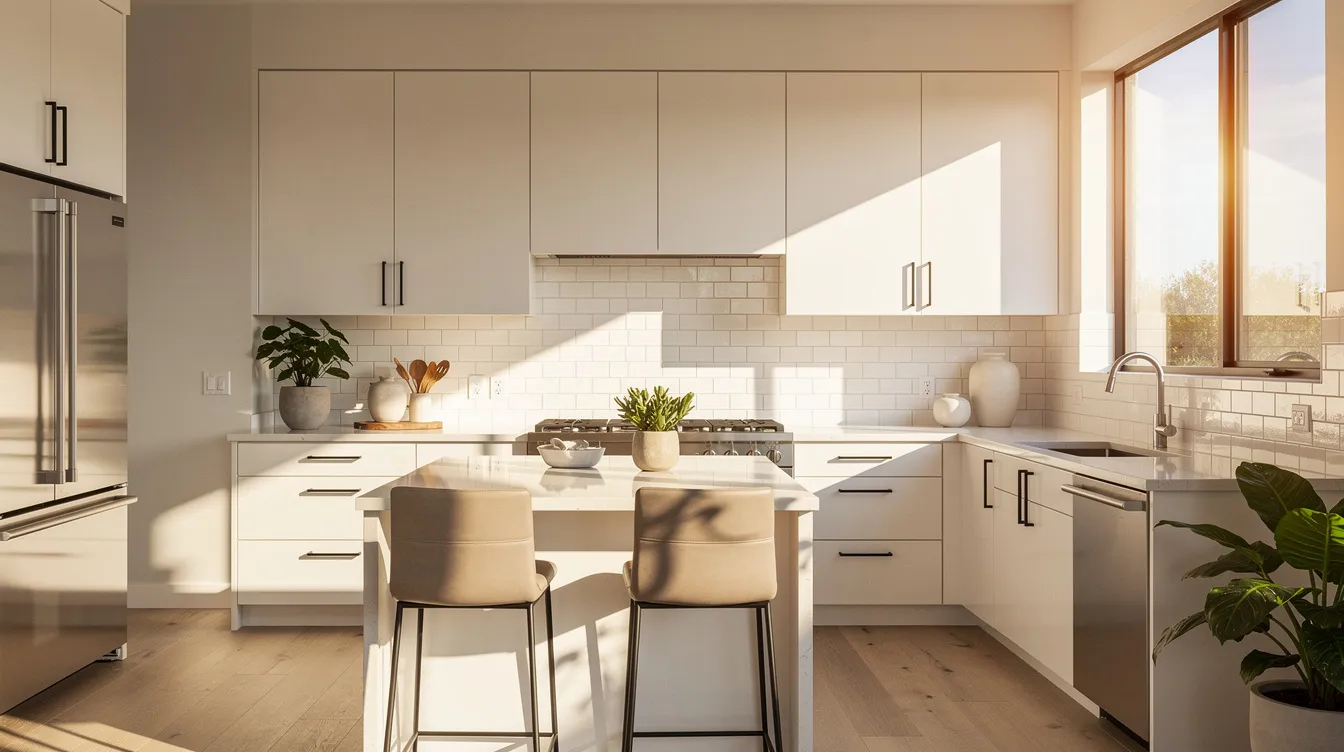
Selecting a kitchen backsplash in Los Angeles means balancing aesthetic appeal with functional durability and long-term value. Whether you’re updating a coastal condo in Santa Monica, a hillside home in the Hollywood Hills, your backsplash choice shapes the entire room. The key is deciding early whether you want your backsplash to serve as a subtle backdrop or a bold design feature—then letting that decision guide every material, color, pattern, and height choice that follows.
Choose the Right Backsplash Material
Material choice fundamentally affects durability, ease of cleaning, cost, and how your backsplash performs under LA’s dry climate and bright light. According to industry surveys, porcelain and ceramic dominate 56% of LA remodels in 2025-2026, outperforming glass and stone in heavy-use scenarios.
Ceramic and Porcelain Tile
Ceramic and porcelain are the workhorses of backsplash tile—affordable, widely available in LA showrooms from DTLA to the Valley, and suitable for nearly every kitchen style from Spanish Revival to ultra-modern.
Porcelain is denser and more stain resistant, fired at approximately 2200°F. It’s ideal for heavy-use zones behind stoves and sinks in busy family kitchens. Ceramic offers affordability and versatility, though with slightly less moisture resistance.
Standard cementitious grout needs periodic sealing, while epoxy grout costs more but eliminates staining concerns. Plan layout carefully around outlets and windows to avoid visual disruption from awkward grout lines.
Glass Tile
Glass tile adds shimmer and amplifies light, particularly useful in narrow galley kitchens where windows are small. Pale blue glass mosaics suit coastal homes near Manhattan Beach, while smoky gray glass subway tiles work in modern Hollywood condos.
Glass shows water spots and fingerprints more readily than matte surfaces—it suits homeowners willing to wipe clean frequently or those using glass selectively as an accent. Choose tempered glass rated for heat resistance (up to 300°F per 2024-2025 manufacturer specs) behind gas ranges.
Installation requires an experienced professional to avoid visible trowel lines and to select the right thinset color behind translucent tiles.
Natural Stone
Marble and other natural stone bring a high-end, timeless look seen frequently in luxury LA neighborhoods like Brentwood and Beverly Hills. However, stone is porous and requires initial sealing plus yearly reapplication.
Natural stone is susceptible to acids—lemon juice, vinegar, wine—making pH-neutral cleaners essential near busy cooktops. Honed finishes hide etching better than polished, which shows every splash in strong Southern California sunlight.
Stone mosaics add texture and visual interest but increase grout area. Consider a veined marble mosaic paired with simple white quartz countertop for upscale balance without maintenance overload. Travertine and quartzite offer alternative looks with similar care requirements.
Slab Backsplashes
Slab backsplashes extending the countertop material up the walls are surging in new construction areas like Playa Vista and Marina del Rey. Benefits include fewer grout lines, sleek surfaces, and easy cleaning that creates a cohesive look.
Practical considerations include slab thickness, seam placement around windows and upper cabinets, and the need for professional templating. Expect a 20-40% cost premium versus tile due to LA’s elevated fabrication labor rates.
A subtly veined quartz slab suits contemporary spaces, while dramatic stone slabs work as accents behind ranges in statement kitchens.
Metal, Concrete, and Other Specialty Options
Stainless steel, brushed brass, and copper tiles or panels work well in industrial-style lofts in the Arts District or modern chef’s kitchens. Metal shows fingerprints and scratches, making it best for small zones rather than full backsplash area coverage.
Concrete-look tiles and microcement suit minimalist LA interiors but require proper sealing against stains and hairline cracking. Peel-and-stick vinyl panels offer renters temporary solutions, though heat limitations (around 120°F) restrict placement near the stove.
Frame these materials as accent options rather than default choices for the whole space.
Get the Size and Scale Right
Tile size impacts how large or busy the kitchen feels—crucial in both compact LA apartments and expansive open-plan homes. The typical 18-inch clearance between countertop and upper cabinets influences selection and layout significantly.
Large-format tiles or slabs reduce grout lines and visually expand the room, while small mosaics add depth and texture but can feel busy when overused.
Large-Format and Oversized Tiles
Tiles like 4×12, 12×24, or larger panels create calm, modern surfaces with minimal grout, ideal for sleek contemporary spaces. Horizontal layouts visually widen walls, while vertical stacking emphasizes high ceilings found in renovated Craftsman and mid-century homes.
A 4×12 matte white tile stacked in a grid creates minimal elegance for an Echo Park kitchen, while the same tile in offset pattern offers a softer, transitional look. Fewer grout lines mean less cleaning—appealing to busy LA professionals.
Very large tiles in very small kitchens may look out of proportion. They require flat walls and skilled installation to avoid lippage.
Small Tiles and Mosaics
Small-format tiles—1-inch hexagons, penny rounds, intricate mosaics—add texture and personality. Mosaic tile works well as focal points behind the range or around a vent hood.
Mosaics conform easily to curves, niches, and uneven walls common in pre-war LA houses. However, they increase grout area, requiring more sealing and cleaning attention for heavy home cooking.
Use small tiles in moderation. A patterned Spanish-inspired mosaic accent over the range in a 1930s Hancock Park home creates visual interest without overwhelming the whole space.
Medium-Size Tiles for Versatility
Medium tiles (3×6, 2×9, 4×8, 6×6) balance simplicity and character, making them safe, timeless choices across LA neighborhoods. Versatile layouts—offset brick, herringbone, vertical stack—let the same tile read traditional or modern depending on pattern.
Updated formats like 2×8, 3×12, and 4×10 offer contemporary alternatives to classic 3×6 subway tiles. Vertical orientation emphasizes height in low-ceiling condos; horizontal stretches narrow walls.
Pick Colors That Work with LA Light and Your Style
Southern California’s dynamic light—morning cool, midday harsh, evening warm—alters backsplash perception dramatically. Test sample boards on the actual wall under different conditions and near both warm and cool LED lighting before finalizing.
The choice between neutral connector (white, cream, greige, soft gray, desert sand) and color story (sage green, deep blue, terracotta, black) shapes your entire kitchen design.
Neutrals and Timeless Tones
Whites, creams, soft grays, and warm beiges remain top choices for resale flexibility in competitive LA markets like 90024 or 90046. Pair cool whites with cooler countertop veining and stainless appliances; warmer neutrals complement wood cabinets or brass hardware.
Subtle variations—handmade-look tiles with slight color differences—add depth without feeling busy. Neutral backsplashes let homeowners change paint colors, bar stools, and decor over time without retiling. Avoid overly stark bright white in harsh light; soft off-whites feel more welcoming in an all white kitchen.
Bold, Colorful, and Statement Backsplashes
Saturated shades—deep navy, forest green, charcoal, terracotta, rich teal—create stunning focal walls in otherwise simple white or wood kitchens. Use bold colors on one main wall or behind the range while keeping secondary walls quieter.
Los Angeles inspired color palettes for your kitchen
- Ocean blues and greens for coastal areas
- Sunbaked terracotta and sand for Spanish Revival homes
- Black-and-white for modern Hollywood Regency style
Strong colors show more dust, food splatters, and water spots, requiring frequent cleaning for a crisp look. Bold backsplashes suit homeowners staying at least 5 years.
Light vs. Dark Backsplash Choices
Light backsplashes reflect more light, making compact kitchens in condos or ADUs feel larger. Dark backsplashes create contrast and drama with white or rift-sawn oak cabinets but can visually shrink a space if overused.
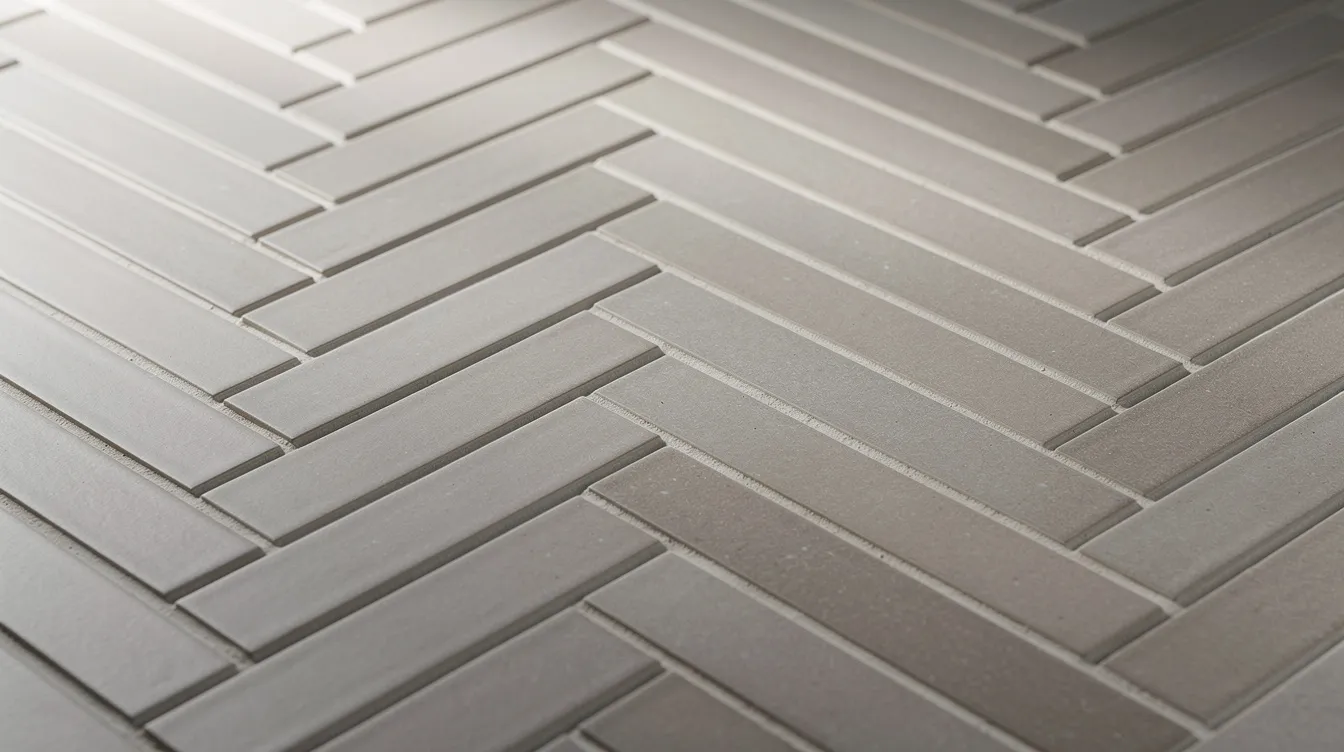
Try half-height dark features behind the stove with lighter tile on other walls as a compromise. Contrasting grout influences perceived lightness—charcoal herringbone tile with matching dark grout versus high-contrast grout creates entirely different effects.
Consider pairings: charcoal herringbone with white shaker cabinets for drama, or soft white beveled subway tile with walnut cabinetry for warmth.
Patterns, Layouts, and Grout: The Details That Make It Work
Even simple materials transform into custom looks through layout and grout choices. Pattern scale should relate to wall length and cabinet layout, with bolder patterns concentrated on shorter focal walls.
Classic Subway and Simple Layouts
Offset (brick) subway tile remains popular because it’s familiar, forgiving, and works equally well in 1920s and 2020s LA kitchens. Stacked (straight) layouts shift toward modern minimalism, especially with long, skinny tiles.
Subtle upgrades—beveled edges, handmade texture, slightly varied tones—keep subway tiles feeling current without trend risk. Color-matched grout creates a soft, unified look for backsplashes meant to fade into the background.
White subway tile paired with matte black fixtures creates perfect Los Angeles modern farmhouse style.
Herringbone, Chevron, and Geometric Patterns
Herringbone patterns introduce movement and a custom look, ideal for smaller highlight areas like behind a range or above a bar. Chevron and geometric tiles (hexagons, arabesques, elongated diamonds) create strong visual statements.
Patterned layouts require more labor and 15-20% more waste, increasing installation cost—significant given LA’s elevated labor rates. Test bold pattern in a confined zone while keeping remaining backsplash simpler.
High-contrast grout amplifies graphic effects, which not every homeowner enjoys long-term.
Grout Color and Joint Size
Narrow grout joints (1/16–1/8 inch) create refined, modern looks but require precise installation and well-calibrated tiles. Wider joints disguise minor wall irregularities common with handmade tiles or irregular natural stone.
Three main grout strategies
- Matching (subtle, unified appearance)
- Slightly lighter or darker (soft definition)
- Fully contrasting (bold pattern emphasis)
Darker grout hides stains better in busy cooking zones. Very light grout shows discoloration without proper sealing. Always request grout samples on a test board before committing.
Function, Maintenance, and Budget in a Los Angeles Remodel
LA remodels juggle high labor costs, city permits, and tight timelines. Plan function, maintenance, and budget together for a confident choice.
Cleaning and Everyday Care
Maintain common materials appropriately: wipe ceramic and porcelain with mild detergent, use pH-neutral cleaners on stone, avoid abrasive pads on glass and metal surfaces.
Seal cement-based grout and natural stone yearly or as manufacturer recommends. Wipe the backsplash after cooking, especially behind gas ranges, and spot-clean splashes quickly to prevent stains from setting.
Textured or heavily three-dimensional tiles catch more grease and dust—reserve them for lower-splash areas away from the stove.
Budget Planning and Where to Spend or Save
Invest more in materials and layout for the most visible areas—around windows over the sink or behind custom hoods. Use simpler, durable tiles in less noticeable zones.
Mix expensive accent tiles with affordable field tiles to stretch budget without sacrificing style. In LA, labor frequently equals or exceeds material cost, so complex patterns significantly impact total price.
Working with Designers and Contractors in Los Angeles
Coordinate early with a kitchen designer or contractor so backsplash choices align with cabinet installation, electrical plans, and countertop templates. Local professionals understand common LA building quirks—out-of-plumb walls in older homes, seismic considerations for heavy stone slabs.
Visit actual showrooms around Los Angeles to see tiles in person. Screens distort color, shine, and texture. Check lead times for specialty tiles; some options have 4-8 week waits that can delay your remodel schedule.
Bring real samples of cabinets, countertop, and floor materials to tile appointments for accurate pairing under showroom lighting.
FAQ
These questions address common concerns LA homeowners have beyond the main sections above.
How far should my backsplash go up the wall?
The standard approach runs tile to the bottom of upper cabinets, typically 18 inches above the countertop. In LA homes with high ceilings or statement range hoods, taking tile to the ceiling on at least one wall creates dramatic, designer impact. Always coordinate endpoints with cabinet edges, window trims, or room transitions for a clean finish. Running tile slightly past the counter edge near ranges protects adjacent walls from moisture damage.
Should my backsplash match my countertop or my cabinets?
Your backsplash doesn’t need to match either element exactly—it should coordinate by echoing one or two colors already present. Pick one dominant element to support, such as a vein color from your quartz countertop or a soft variation of cabinet color. Avoid three competing focal points (bold cabinets, bold counters, bold backsplash) in most average-size LA kitchens. Always bring physical samples together to check undertones in person.
How long does backsplash installation usually take?
A typical straight-tile backsplash installation in an average Los Angeles kitchen takes 1-2 days for installation plus one day for grouting and cure time, assuming walls are already prepared. Complex patterns, large-format tiles, or significant wall prep extends the process by several days. Build a small buffer into your project timeline, especially when coordinating with a kitchen countertop installation.
Can I mix two different backsplash materials in the same kitchen?
Mixing materials—such as stone behind the range with ceramic on side walls—looks intentional and high-end when colors and finishes coordinate. Limit the palette to two main materials with consistent grout color for a cohesive look. Use more durable or easier-to-clean materials in high-splash zones, reserving delicate or decorative tiles for accent areas. Plan transitions carefully around corners or cabinet lines so material changes appear purposeful rather than random.